
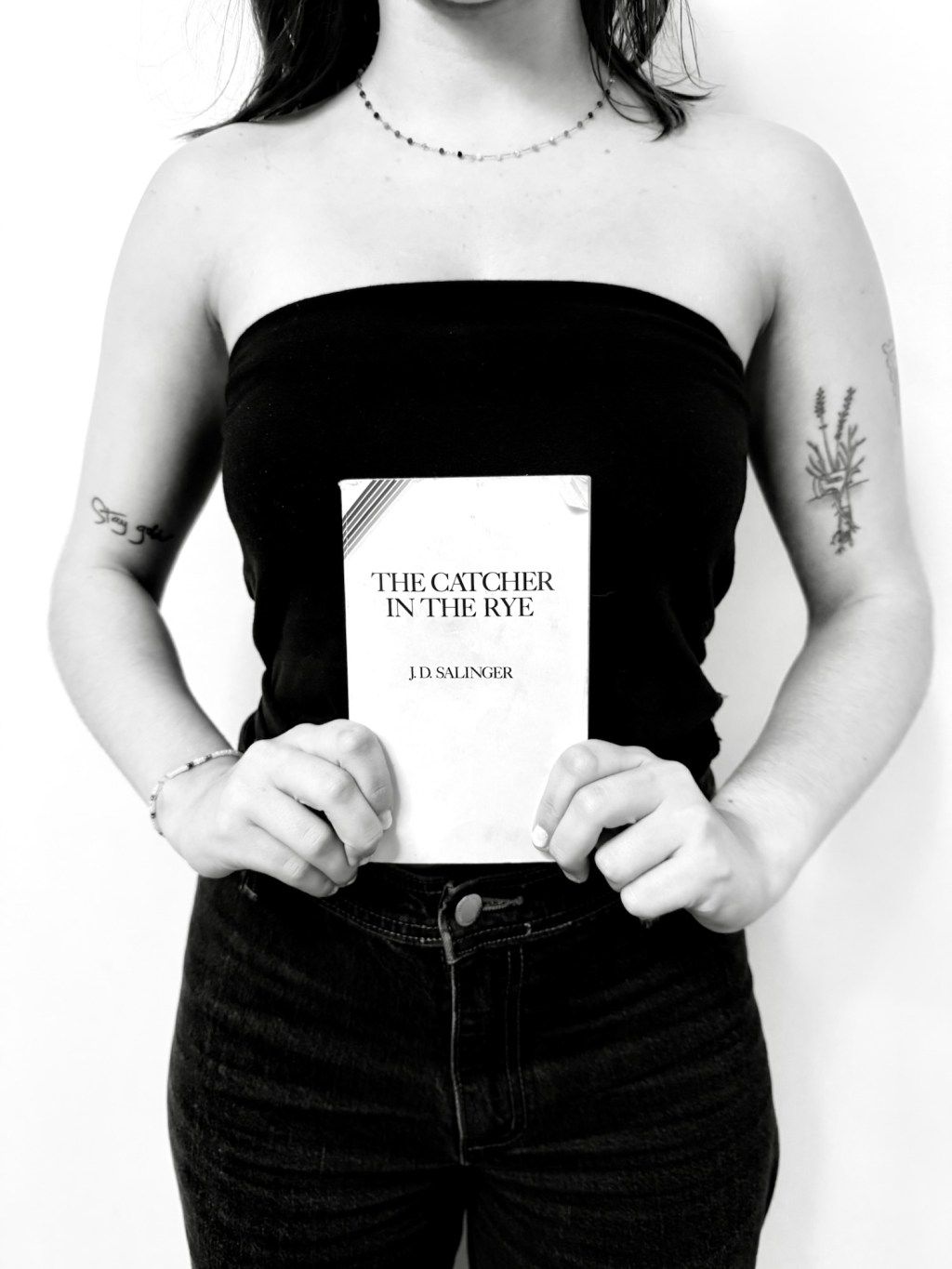
“I’m the most terrific liar you ever saw in your life. It’s awful. If I’m on my way to the store to buy a magazine, even, and somebody asks me where I’m going, I’m liable to say I’m going to the opera. It’s terrible.”
This is a quote by Holden Caulfield, the narrator and protagonist in the American classic, The Catcher in the Rye, which if you read my post about my favorite books of all time, you’d know it’s my #1 book ever.
The thing is, I don’t even feel like I can tell people that this is my favorite book because the first thing anyone ever says about this book is how much they hate it. I usually would then ask them why and they immediately start shitting on Holden. “He’s an awful person” “He’s an unreliable narrator” “He was written so poorly” is what I receive back. Which irritates me beyond belief.
First of all, sure, on the surface Holden is not an amazing person. But I stand by the fact that at 16 years old, unless they’re a murderer or worse, people are not yet at the point in their life where they can be categorized as a “good” or “bad” person. These words, when referring to human beings, are terms heavily made up and relied on for definition by society. 16 is, in the grand scheme of things, incredibly young. 16 year olds don’t realize their impact on the world yet and their “bad” decisions are simply seen as decisions with no greater influence.
But when I say that if the same people who were calling Holden a bad person were going through the same thing he was, they wouldn’t be saying it, I stand by that.
Holden, again, was 16 years old, battling his first interaction with grief, losing his best friend and brother in one. No one, let alone a teenager, would know how to navigate that for the first time. It’s also the year 1951. This is a post-war reflection of someone who is not emotionally evolved and shouldn’t be expected to be. He’s obviously depressed, grieving, and possibly (definitely) suicidal.
It has never been the point of literature to model top tier behavior. That’s not what the real world or fictional world is like. It wouldn’t make sense to model someone picture perfect while also retaining a good storyline and plot. I mean, tell me, do you learn more from perfect characters or flawed characters? Take Gatsby, Snape, Edward Cullen, etc… they’re all flawed which makes their character much more interesting, mysterious, and intriguing.
Despite some poor moments from Holden, his empathetic and meaningful relationship with Phoebe, his realness about the struggle of growing up, and his disgust for fake people are what make him easy to read about and imagine as someone in the real world who some might even befriend.
Holden Caulfield was never someone who should be “cancelled” or hated. He deserves to be reread a second time with sharper eyes and more open-minded heads.


Leave a comment